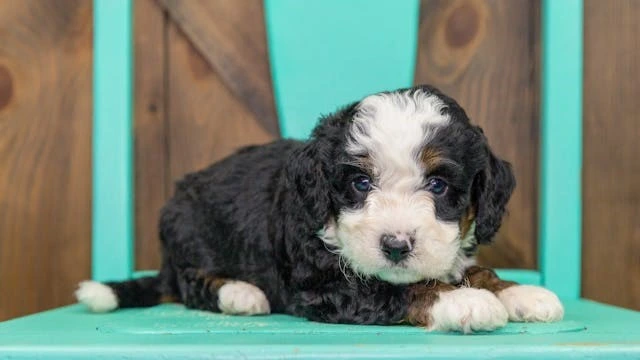
Bringing a dog into your home means welcoming joy, energy, and endless companionship. But before your furry friend starts exploring, it’s essential to dog-proof your space to ensure their safety and prevent accidental damage. From curious puppies to adventurous adult dogs, this guide will help you create a safe and welcoming environment for your new family member.
Why Dog-Proofing is Important
Dogs are naturally curious and love to investigate their surroundings. Without proper preparation, they may chew on dangerous items, ingest harmful substances, or get stuck in tight spaces. Dog-proofing protects your pet from accidents and keeps your belongings safe from enthusiastic paws and teeth.
How to Dog-Proof Your Home
1. Secure Hazardous Items
Many household items that seem harmless to humans can be dangerous to dogs.
- Chemicals: Store cleaning supplies, laundry detergents, and pesticides in cabinets with childproof locks or high, out-of-reach shelves.
- Medications: Keep all medications in closed containers and away from countertops or bedside tables.
- Foods: Some human foods, like chocolate, grapes, and onions, are toxic to dogs. Keep food items secured in cabinets or the refrigerator.
2. Protect Your Furniture
Dogs love to chew, scratch, or jump on furniture, especially when they’re bored or teething.
- Invest in Durable Covers: Use washable, durable covers to protect couches and chairs.
- Offer Alternatives: Provide plenty of chew toys to redirect their attention from furniture legs and cushions.
- Block Off Restricted Areas: Use baby gates to keep dogs out of rooms with valuable or fragile furniture.
3. Check Electrical Cords
Electrical cords are tempting for dogs, especially teething puppies, but they pose a serious risk of electrocution.
- Hide Cords: Use cord covers or tuck them behind furniture to make them inaccessible.
- Spray Deterrents: Apply pet-safe bitter sprays to cords to discourage chewing.
- Unplug Unused Devices: Remove the temptation by unplugging items when not in use.
4. Create a Safe Space for Your Dog
Every dog needs a dedicated area where they can feel secure and relax.
- Set Up a Dog Zone: Choose a quiet area with their bed, water bowl, and favorite toys.
- Use Crates Wisely: If crate training, make it a positive experience by adding comfy bedding and treats.
- Avoid Overcrowding: Keep the area clutter-free to reduce the risk of accidental ingestion or injury.
5. Watch Out for Small Objects
Dogs love to chew and swallow small items, which can be a choking hazard.
- Pick Up Toys and Accessories: Store children’s toys, jewelry, and small gadgets in closed drawers or containers.
- Inspect Your Home: Check under furniture and cushions for items like coins, batteries, or pins that may have fallen.
6. Dog-Proof Your Trash
Dogs are notorious for rummaging through trash bins, which can expose them to harmful items.
- Use Secure Bins: Invest in trash cans with locking lids or heavy-duty pedal lids.
- Keep Bins Out of Reach: Place trash bins inside cabinets or behind closed doors.
7. Ensure Backyard Safety
If your dog will spend time outdoors, make sure your yard is secure and free from hazards.
- Check Fencing: Inspect fences for gaps or loose panels that a dog could escape through.
- Remove Toxic Plants: Many common plants, like azaleas, lilies, and oleander, are toxic to dogs. Replace them with pet-safe options.
- Store Tools and Chemicals Safely: Keep lawn equipment, fertilizers, and pesticides locked away.
Extra Tips for Puppies
Puppies require additional precautions since they’re especially curious and prone to chewing.
- Teething Toys: Provide plenty of chew toys to satisfy their urge to chew and save your furniture.
- Baby-Proofing Accessories: Use cabinet locks, outlet covers, and door stoppers to keep your pup out of trouble.
- Close Off Stairs: Use baby gates to prevent accidents on stairs until your puppy is confident navigating them.
What to Do After Dog-Proofing
Once your home is dog-proofed, keep an eye on your pet to identify any overlooked risks. Dogs can be incredibly creative when it comes to exploring!
- Supervise Initially: Monitor your dog closely, especially during the first few weeks, to ensure their safety.
- Tidy Regularly: Keep your home clean and clutter-free to minimize potential hazards.
- Update as Needed: As your dog grows or learns new behaviors, reassess your dog-proofing efforts to address new challenges.
Final Thoughts
Dog-proofing your home is a crucial step in welcoming a new pet. By creating a safe space, you’ll give your dog the freedom to explore without worry and build a foundation for a happy, healthy life together.
Whether it’s securing hazardous items, protecting your furniture, or setting up a cozy corner for your pup, these simple steps will ensure your home is ready for your new four-legged family member. Now sit back, relax, and enjoy the unconditional love and joy that comes with being a dog parent!